Contemporary Interior Design: A Room-by-Room Guide
How to bring contemporary style into your living room, bedroom, kitchen, and home office — palette, key pieces, and the mistakes worth avoiding.
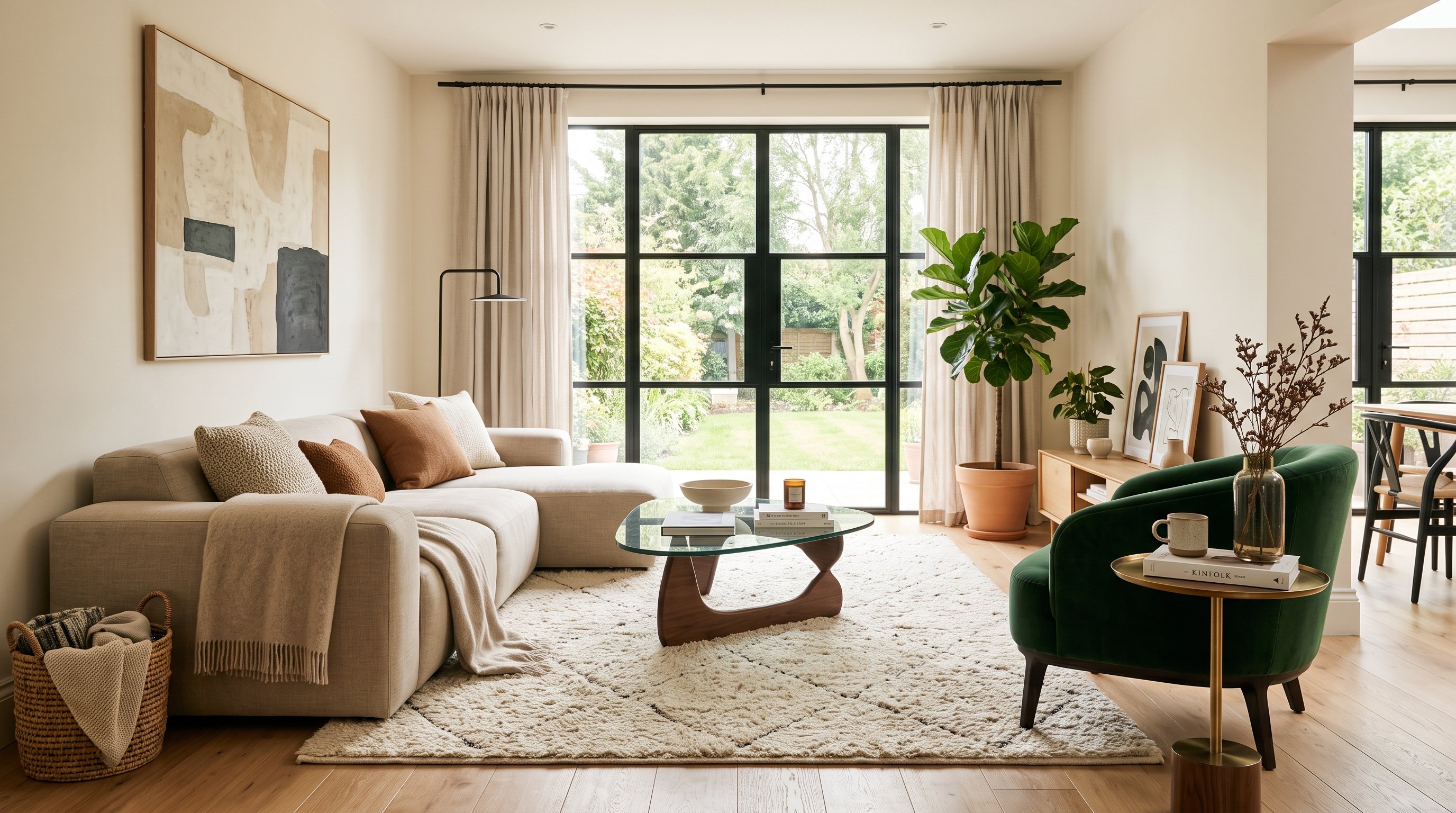
“Contemporary” gets thrown around loosely in interior design — often as a stand-in for “modern” or just “new.” But it’s a distinct style with its own rules, and knowing them will save you from buying pieces that don’t actually work together.
This guide walks through what contemporary style actually means indoors, then breaks it down room by room — living room, bedroom, kitchen, and home office — so you know what to look for before you buy anything.
Contemporary vs. Modern: Get This Right First
Modern is a fixed historical style — roughly the 1920s through the 1950s. Bauhaus, mid-century furniture, stark geometric minimalism frozen in time.
Contemporary means “of right now.” It borrows modern’s clean lines but softens them — natural materials, warmer palettes, curves mixed with sharp geometry, and a general sense of livability that strict modernism doesn’t always have.
Priya's tip
If a room has clean lines but also warm wood tones, curved furniture, or organic shapes, it’s contemporary, not modern. True modern design is colder and more rigid than most people expect.
Living Room
Keep furniture low-profile with clean lines — sofas with minimal ornamentation, exposed wood or metal legs. The trick is balancing hard materials (glass, metal, stone) against soft textiles (a wool throw, a textured rug) so the room doesn’t feel cold or showroom-like.
Stick to a largely neutral palette — whites, warm grays, soft beige — and let one or two bold accent pieces do the color work, rather than scattering color throughout the room.
What to prioritize:
- A low-profile sofa with exposed wood or metal legs
- A textured wool or jute area rug
- A glass or stone coffee table
- One bold accent chair or a set of statement throw pillows
Priya's tip
Buy your statement piece first — the sofa — and keep everything else neutral. It’s much easier to swap a $40 throw pillow later than to realize your $2,000 sofa doesn’t match the direction you eventually land on.
Bedroom
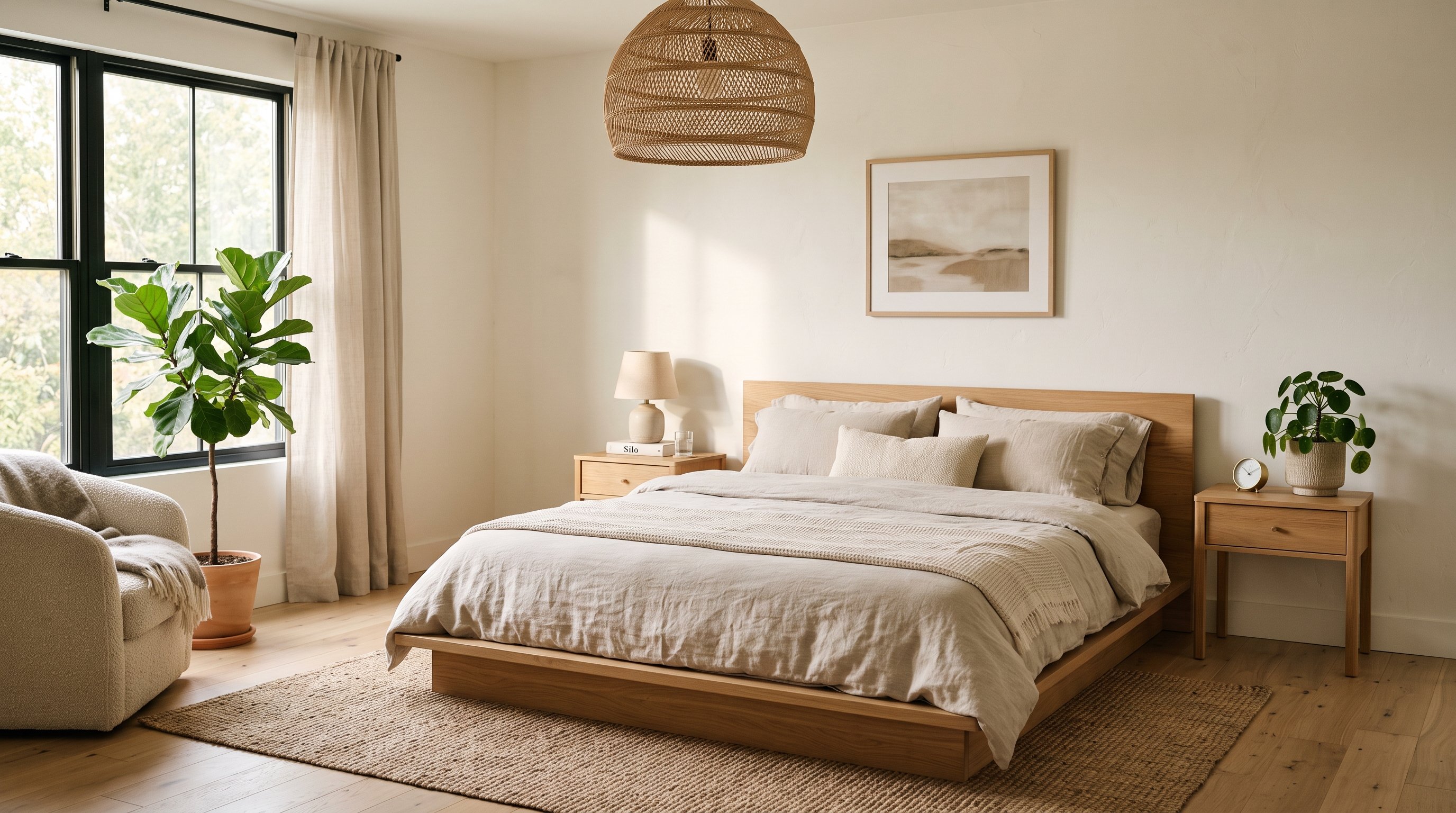
Contemporary bedrooms favor calm and restraint. A platform bed with a simple, unadorned frame is the anchor piece. Storage should be built-in or hidden wherever possible — visible clutter breaks the clean-line aesthetic faster than almost anything else in this room.
Layer in natural materials to keep it from feeling sterile: a linen duvet, a wood nightstand, a woven pendant light. This is where the warmth that separates contemporary from cold minimalism really shows up.
What to prioritize:
- A platform bed with a simple frame
- A linen or cotton duvet in a neutral tone
- Wood nightstands with clean lines
- A woven or paper pendant light instead of an ornate fixture
Priya's tip
Prioritize hidden or built-in storage over open shelving in the bedroom. A calm, uncluttered bedroom depends more on what you don’t see than what you display.
Kitchen
Flat-panel cabinetry — no raised details, no ornate trim — is the clearest contemporary marker in a kitchen. Mixing matte and glossy finishes (a matte cabinet front against a glossy stone countertop) reads as intentional rather than accidental.
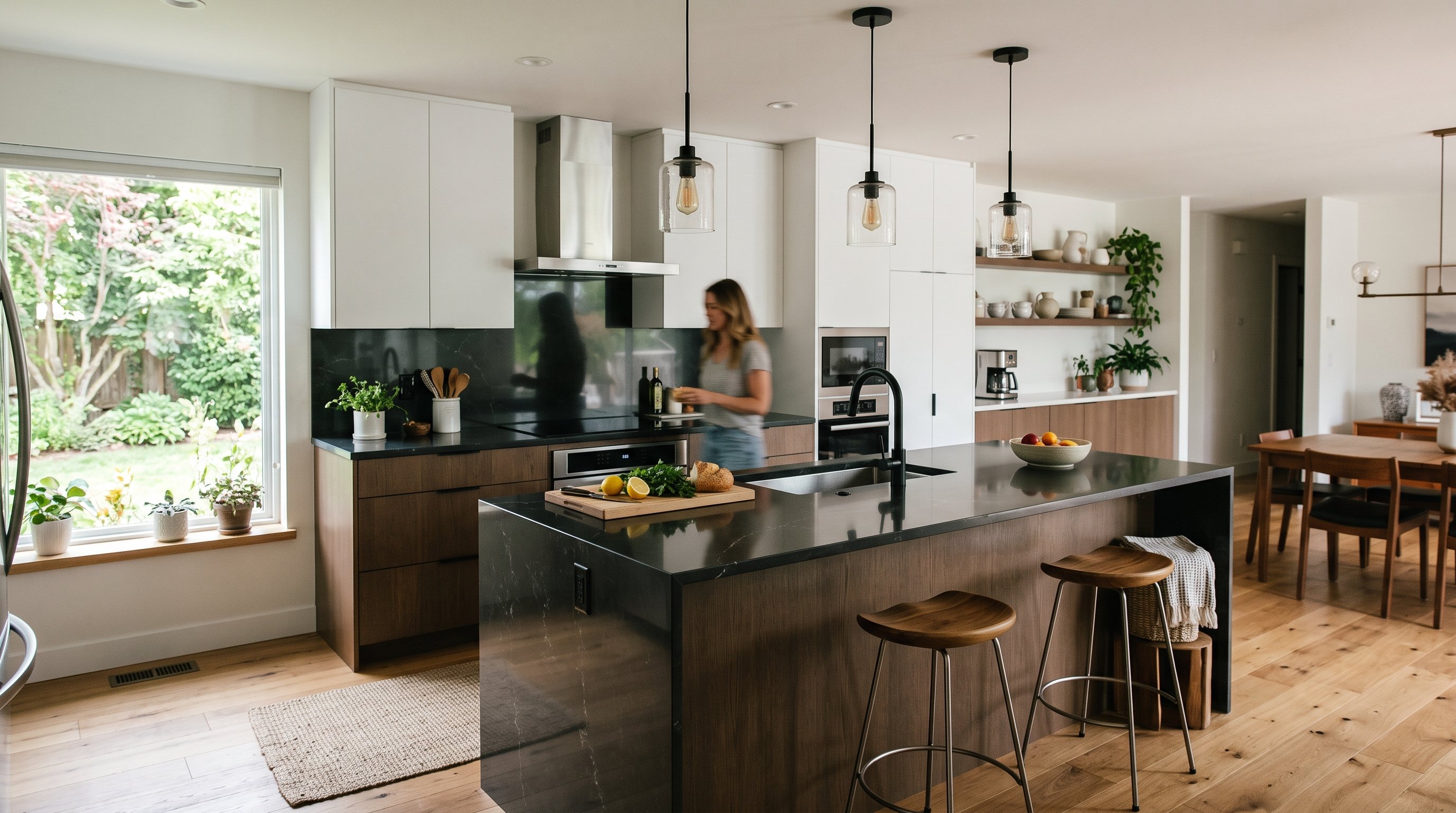
Open shelving shows up often in contemporary kitchens, but it’s a style choice with a real maintenance cost attached — it only works if you’re genuinely willing to keep it tidy day to day.
What to prioritize:
- Flat-panel cabinet fronts
- A mix of matte cabinetry with a glossy stone countertop
- Simple pendant lighting over an island or counter
- Open shelving only if you’ll actually maintain it
Priya's tip
Open shelving photographs beautifully when styled for a shoot, but becomes visual noise fast in daily life. Be honest with yourself about your habits before committing to it over closed cabinetry.
Home Office
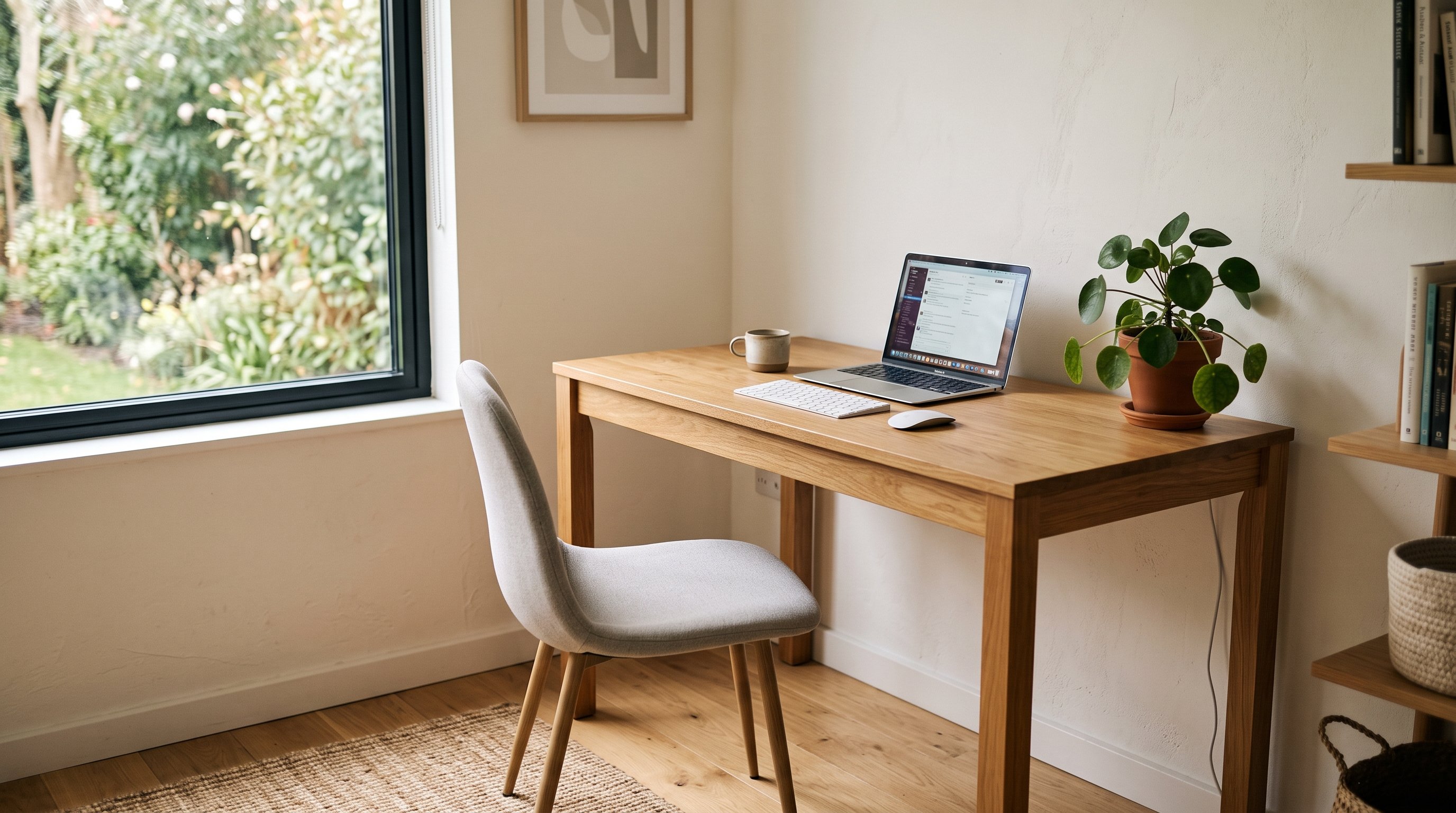
As more people treat the home office as a core room rather than an afterthought, contemporary offices lean into the same principles as the rest of the home — clean lines, natural materials, and enough negative space that the room doesn’t feel like a workstation bolted into a bedroom corner.
What to prioritize:
- A simple wood or glass desk
- Minimal visible cables and cords
- A comfortable but low-profile chair
- One plant or natural-texture element for warmth
Priya's tip
Treat your office as a real room, not an afterthought. Even a small dedicated corner benefits from the same intentional palette as the rest of your home.
Common Mistakes to Avoid
- Going too cold. Contemporary isn’t the same as stark minimalism. Skipping natural materials and texture is the most common way a room accidentally ends up feeling sterile instead of current.
- Mixing eras without a plan. Contemporary can work alongside other styles, but only intentionally — random mixing usually just looks unfinished.
- Over-cluttering open shelving. Beautiful styled, chaotic in daily use — know your own habits before choosing it.
- Blocking natural light with furniture placement. Contemporary design leans on light as a design element in its own right — tall furniture in front of windows undercuts the whole point of the style.
Frequently Asked Questions
Is contemporary style expensive to achieve? Not necessarily. The core of the style is restraint — clean lines, a limited palette, quality over quantity. A few well-chosen pieces often reads as more contemporary than a room full of budget furniture in the wrong shapes.
Can I mix contemporary with other styles, like traditional? Yes, cautiously. A traditional home with a few contemporary furniture pieces can work if the palette stays consistent. The real risk is mixing eras, not colors — ornate traditional pieces next to stark contemporary furniture usually clash rather than blend.
Where do I start if I’m redecorating an entire home? Start with your living room’s statement piece, lock in a neutral base palette from that choice, then apply the same palette logic room by room. Consistency across rooms matters more than any single piece.
Want a Full Room-by-Room Planning Guide?
If you’re planning a fuller redecorating project — not just one room — the Contemporary Home Design Lookbook goes further: floor plan concepts, palette direction, and key pieces for every room in one place, so you can plan the whole home cohesively instead of room by room.
(Lookbook link coming soon — check back or visit fieldnote.pages.dev)
Looking for architectural direction too? Read our companion guide on contemporary home architecture for what makes a home’s structure — not just its interior — feel current. Furnishing a smart home alongside the redesign? Our smart home setup checklist covers the tech side room by room.
Affiliate disclosure
Some links in this article are affiliate links. If you buy something through them, we may earn a commission at no extra cost to you. This never affects which products we choose to cover or how we rate them. Read our full affiliate disclosure.

Written by
Priya NairBuying Guides Editor
Priya leads buying guides and finance coverage at Fieldnote, with a background in market research. She's allergic to hype and reads the returns policy before she reads the marketing copy.
Newsletter
Get new field notes in your inbox.
Related articles
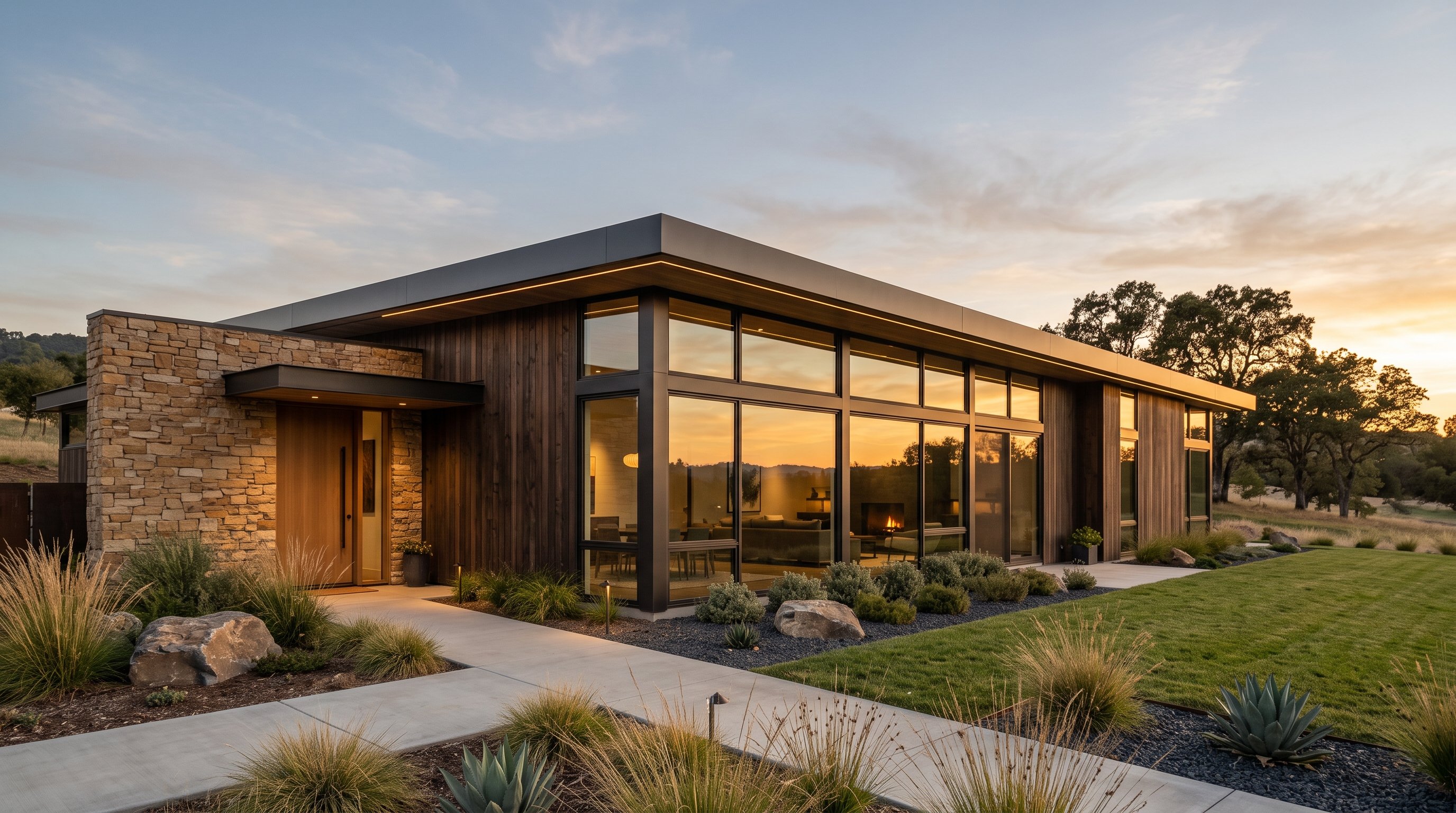
The Architecture of Contemporary Homes: Why Some Feel Effortless and Others Feel Cold
A deep, practical guide to contemporary residential architecture — floor plans, materials, light, and the design logic behind homes that actually work to live in.
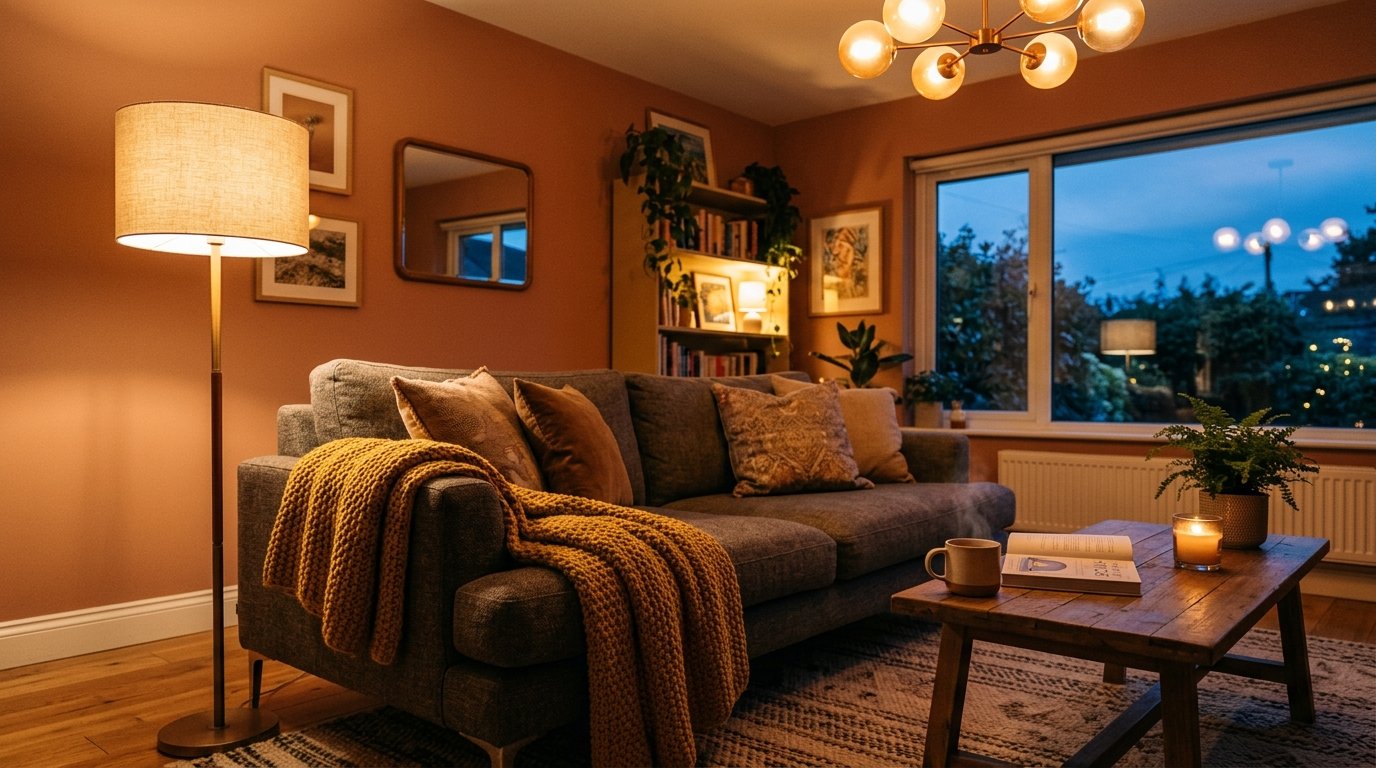
The Complete Smart Home Setup Checklist (Free Printable + Buying Guide)
A simple, no-fluff checklist for setting up a smart home — plus a buying guide for every category and a free printable download.